



NAIJA Flavour 2025: A Bold Cultural Renaissance Redefining Nigeria's Tourism Identity
PRESS RELEASE
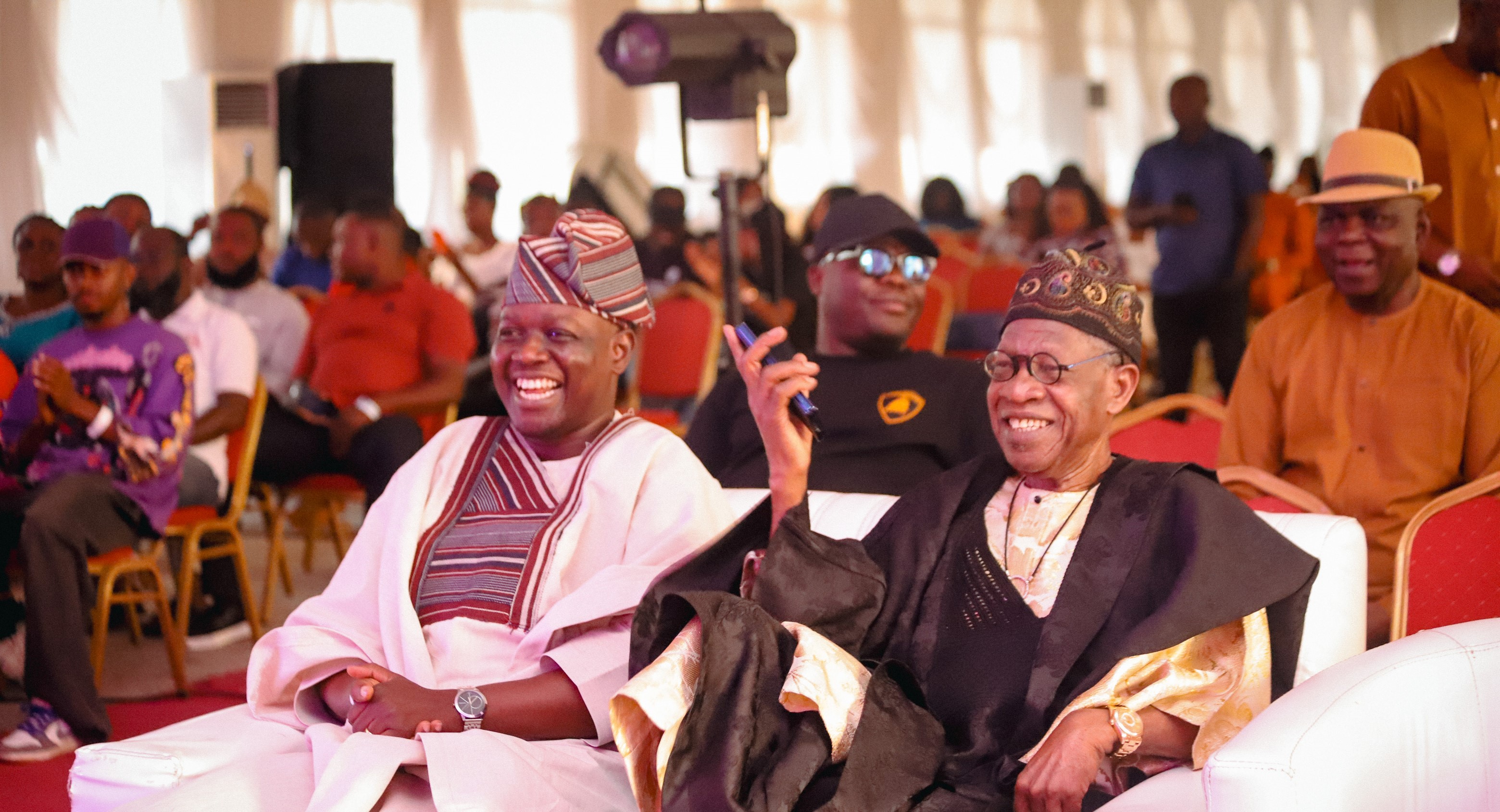 Director General, NTDA, Olayiwola Awakan, Former Minister of Information, Lai Mohammed and others at the Event
Abuja came alive with colour, rhythm, flavour, and meaning as
the maiden edition of Naija Flavour: Destination December unfolded, an
ambitious cultural tourism initiative hosted by the Nigerian Tourism
Development Authority (NTDA) under the leadership of its Director General,
Olayiwola Awakan. Far beyond a festival, Naija Flavour emerged as a powerful
national statement, Nigeria telling its own story, in its own voice, through
food, fashion, music, enterprise, and identity.
The event drew cultural custodians, creatives, policymakers,
entrepreneurs, and members of the public into a shared space of celebration and
reflection, reinforcing a central truth that Nigeria’s greatest wealth lies not
only beneath the earth, but in its people, traditions, and creative spirit.
From sizzling plates of Jollof rice, Masa, Akara, Amara, and
other indigenous delicacies to a dedicated SME exhibition segment, Naija
Flavour celebrated Nigerian enterprise as much as it did Nigerian taste.
Emerging entrepreneurs, artisans, and food vendors found a vibrant platform to
showcase their craft, connect with new markets, and affirm the role of micro,
small, and medium-scale enterprises in the nation’s creative economy.
Addressing guests, the NTDA Director General, Olayiwola Awakan described Naija Flavour as one of the most vibrant showcases of Nigeria’s cultural diversity, culinary brilliance, artistic creativity, and youthful energy. “This event reminds us that Nigeria’s greatest wealth is not only in our natural resources, but in our people, our flavours, our talent, and our vibrant spirit,” he said.
“Naija Flavour positions Nigeria not as a concept, but as an
experience, colourful, welcoming, and proudly African.”
He emphasized that global tourism is increasingly culture-led
and experience-driven, noting that Nigeria must take its rightful place in this
shift. Platforms such as Naija Flavour, he explained, strengthen local
economies, create jobs, inspire innovation, empower MSMEs, and unite
communities.
A notable highlight of the event was the recognition of the
National Troupe of Nigeria, applauded for its sustained commitment to promoting
Nigerian culture through dance and drama. The Troupe opened the festival with a
compelling dance drama themed around unity and healing, symbolically “uniting
the broken” and setting the tone for the evening. Culturally, the festival
dazzled with performances showcasing the rich dance and drum traditions of
Nigeria. The artistic journey unfolded like a moving train, departing with the
Gbagi dance of the North, transitioning to the Bata rhythms of the South-West,
and finally arriving in the East with the powerful Amadi-Oha performance,
beautifully illustrating unity through diversity.
One of the most profound moments of Naija Flavour 2025 was the
theatrical drum presentation titled “Echoes of the Drums,” written by the
Director General himself and performed by the Guild of Theatre Arts Drummers,
featuring over 35 professional drummers from Lagos. The spiritually charged performance
blended poetry, history, and rhythm to communicate unity, protection, and
continuity across generations. It opened with a chant that evoked ancestral
presence and collective destiny:
“As the water never rises above the surface of the earth, may
we, on this planet of ours, never fall out of distance.As the football always
touches the floor, may we be filled with the sound of our proud produce.
Greetings that favour the gods, with the fragrance of protection and guidance,
fill every part, that children of this land far and near may throw themselves.”
The poetic invocation affirmed cultural gratitude and ancestral
approval, acknowledging that since the inception of the festival, the
forefathers had not been disappointed. It called for blessings, protection,
health, and continuity, closing with heartfelt expressions of gratitude, “Thank
you, thank you, thank you.” The performance then journeyed into Yoruba cultural
history, recounting the revered origin of triplets in Western Nigeria. The
narrative traced the first recorded birth of triplets to the palace of Ofa
Onidese Oko, where royalty, tradition, and destiny intertwined. According to
the story, the first child among the triplets was later enthroned following the
king’s demise, while any female among them would be nurtured and married within
royal custom, symbolizing honour, lineage, and continuity.
As “days gone by and nights gone by,” the audience witnessed the
symbolic growth of the triplets under the parental tutelage of Abayo Omofedaka,
culminating in mastery as each celebrated exceptional drumming skill and
dexterity. Through rhythm as language and drums as storytellers, the
performance communicated peace, harmony, and shared identity in a nation as
diverse as Nigeria.
Through Echoes of the Drums, Naija Flavour reaffirmed that
Nigerian culture is not merely to be watched or applauded, but felt,
remembered, and lived, a timeless conversation between the past, the present,
and the future.
Speaking to journalists, Awakan made a compelling case for
cultural pride as a counter-narrative to global misconceptions about Nigeria.
“The Western world is proud of their suits and jeans. We should be proud of our
agbada, babariga, malaka, our indigenous music, and everything that makes us
who we are,” he said. “When we tell our stories ourselves and present our
culture to the world, we change negative impressions.” Describing Nigeria as a
“macrocosm of stories,” he emphasized that tourism offers endless opportunities
for storytelling, through food, dress, destinations, heroes, and heritage,
without repetition. Naija Flavour, he stressed, was intentionally positioned as
more than entertainment. It is an advocacy and awareness project, using culture
as a tool for education, preservation, diplomacy, and economic development.
“The message here is beyond dancing and having fun. It is about
reconnecting our youth to their roots, preserving our values, and protecting
the originality of our cultural identity.” From indigenous products on display
to traditional attire worn without dilution, the emphasis throughout the
festival remained on authenticity, innovation without eroding identity.
As the curtains fell on the maiden edition of Naija Flavour
2025, the festival stood affirmed as far more than a celebration, it emerged as
a cultural movement with a clear national and global vision. By seamlessly
integrating heritage, enterprise, performance, and policy, the initiative
demonstrated the power of culture as a catalyst for unity, economic growth, and
apositive international perception.
The success of the event was further underscored by the presence
of distinguished personalities and stakeholders from across sectors. Notable
guests included the former Minister of Information, Alhaji Lai Mohammed,
alongside other eminent dignitaries, cultural leaders, creatives, and partners,
all lending their voices and presence to a festival that has firmly positioned
itself as a cornerstone of Nigeria’s evolving cultural tourism landscape.
Reinforcing its long-term vision, the Nigerian Tourism Development
Authority announced that Naija Flavour is not a one-off event. Following the
success of this maiden edition, planned in barely three weeks, the festival is
set to tour the six geopolitical zones of Nigeria, with multiple editions
scheduled across states beginning next year, including special editions planned
for February and Easter.
Abuja, described as a prime destination to unwind during the
festive season, served as the perfect launchpad, welcoming Nigerians, diaspora
returnees, and international visitors seeking an authentic Nigerian experience.
Strategic partnerships with NAHUTO, the National Troupe of Nigeria, the Guild
of Theatre Arts and Drama, and key private-sector stakeholders further
underscored the collaborative model driving the initiative.
At its core, Naija Flavour 2025 reintroduced Nigeria to itself
and to the world, through confidence, cultural pride, and creativity as
pathways to national prosperity. As flavours blended, drums spoke, fabrics
flowed, and stories unfolded, one message rang clear: Nigeria’s culture is not
just heritage, it is a future-ready asset with limitless potential.
Credit NTDA PR

Comments
Be the first to comment on this post
Leave a Reply